

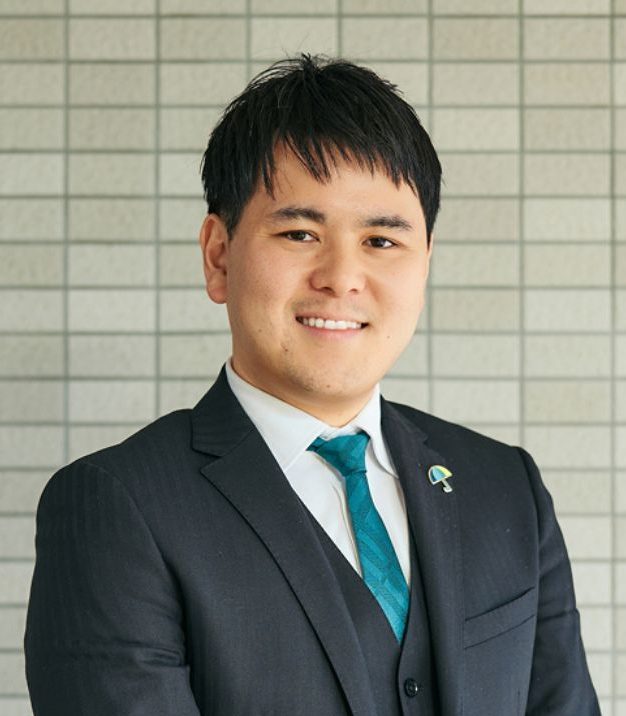
Unit Director
SEKINE Hisao

We have adopted “Beyond the SDGs: Envisioning a Future Society Founded on Sustainability and Well-being” as our overarching research theme. From an interdisciplinary perspective that bridges the humanities, social sciences, and natural sciences, we seek to develop a bold vision of what a sustainable society beyond the SDGs might look like. At present, our research focuses on three principal areas—health, the environment, and AI and society. Through collaboration with researchers in Japan and around the world, we ultimately aim to bring these areas together and present an integrated vision for the future of society.
The SDGs provide an important framework for the international community to develop a shared understanding of global challenges, and they have achieved a measure of success in establishing a common language and promoting ESG-oriented management. However, according to the United Nations, only 17 percent of the 169 SDG targets are currently on track. The limitations of the framework have also become increasingly apparent, as an excessive emphasis on achieving quantitative targets can make it difficult to fully reflect the distinct histories, cultures, and values of individual regions.
The concept of Beyond the SDGs builds on both the achievements and limitations of the existing framework. It reframes sustainability not merely as a matter of meeting targets, but as a fundamental question of how we should reshape relationships between humanity and nature, among people, and between present and future generations.
This perspective moves beyond conventional models of development premised on economic growth. It emphasizes coexistence, care, well-being, local autonomy, respect for diverse forms of knowledge, and perspectives that move beyond anthropocentrism.
With international discussion gathering momentum following the adoption of the Pact for the Future at the 2024 United Nations Summit of the Future and in the lead-up to the 2027 SDG Summit, we have made this theme a central focus of our work and aim to serve as a hub for envisioning the society that should come next.

Unit Director
SEKINE Hisao
Project
Project LeaderOKAMOTO Shohei, PhD (Economics)
Interdisciplinary and international research on health and well-being
Health and well-being are fundamental for sustainable social and economic development and closely interlinked with a wide range of social and economic dimensions, including education, employment, gender equality, the reduction of inequalities, and poverty eradication, among others. This research project aims to contribute to evidence-based health and social policymaking for improving population health and well-being through interdisciplinary and international collaborative research.
Learn more
Project

Project LeaderHuynh Thi Mai Lam, PhD
Nature-based Solutions for Climate-Resilient Infrastructure
Climate change is increasing the risks of flooding, storm surges, coastal erosion, sea-level rise, and urban heat in cities and coastal regions. Focusing on cities and coastlines across the Asia-Pacific, including Japan, Singapore, Vietnam, the Philippines, Indonesia, and China, this project explores Nature-based Solutions (NbS), which integrate nature as part of infrastructure, with the aim of developing climate-resilient, equitable, and sustainable infrastructure.
Learn more
Seminar Series
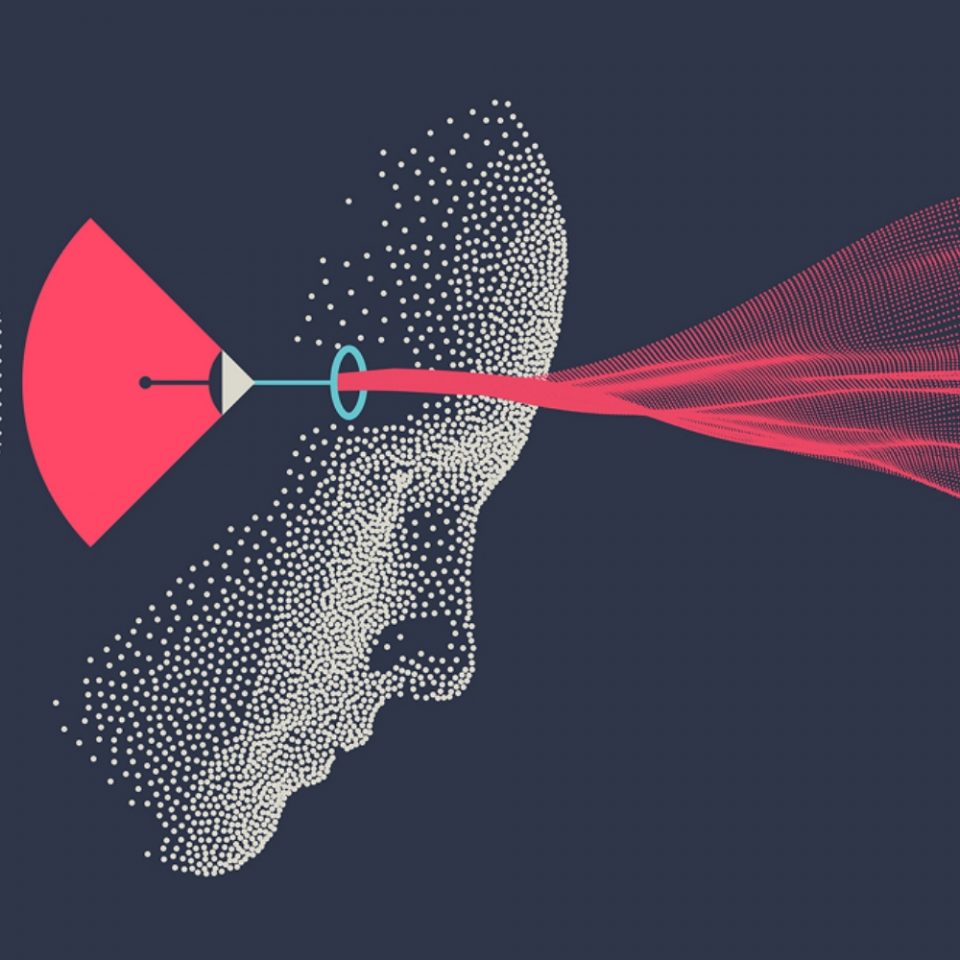
AI and Society
As AI becomes increasingly embedded in society, its impact extends far beyond technology, reaching into education, work, ethics, inequality, governance, well-being, and the ways in which we live and organize society. Through dialogue among researchers from diverse fields, the AI and Society Seminar Series examines the relationship between AI and society from multiple perspectives, considering how advances in AI are reshaping human activity, society, and science itself.
Learn more
Please feel free to contact us regarding TIAR.